
Key Considerations
- Building operations: Who uses the space, and which services must remain live during the works?
- Access and removal routes: Can plant be dismantled, lifted and taken off site safely within the available space?
- Site controls: What measures are needed for dust, noise, hot works and separation from building users?
- Waste movements: Where can materials be stored and moved without disrupting daily operations?
Understanding these constraints early helps shape a realistic sequence for the strip-out and the building upgrade that follows.
Over the past few years, we’ve seen a noticeable increase in projects linked to building upgrades, energy efficiency programmes and wider decarbonisation initiatives.
Many of these projects have the common denominator that existing infrastructure needs to be removed before the next phase of work can begin.
On paper, that can sound relatively straightforward. A redundant boiler, an ageing air handling unit or a plant room that has reached the end of its operational life.
In reality, the infrastructure itself is often the easiest part, whereas managing logistics and constraints is the most challenging element of the job.
Every Building Operates Differently
One of the reasons no two projects are ever quite the same is because every building has its own operational requirements.
The same piece of equipment can present very different challenges depending on where it is located and who occupies the building around it.
At Stevenage, we completed a major mechanical strip-out across two live buildings during the Covid pandemic, while parts of the site were operating as a vaccination facility. The removal of air handling units, boilers, chillers and associated services was only one part of the project. Maintaining safe access, controlling waste movements and carefully planning works around an operational healthcare environment were equally important considerations.
The infrastructure being removed was only a small element of the work, but the logistical planning behind the project was what did all the heavy-lifting to ensure smooth operations on-site.
Looking Beyond the Drawings
Understanding access routes, identifying operational constraints and assessing how equipment can be safely dismantled and removed are often just as important as understanding the equipment itself.
This becomes particularly important within occupied environments where disruption needs to be carefully managed.
Dust control, waste routes, hot works, lifting operations and segregation from building users can all influence how a project is delivered.
The Practicalities of Removal
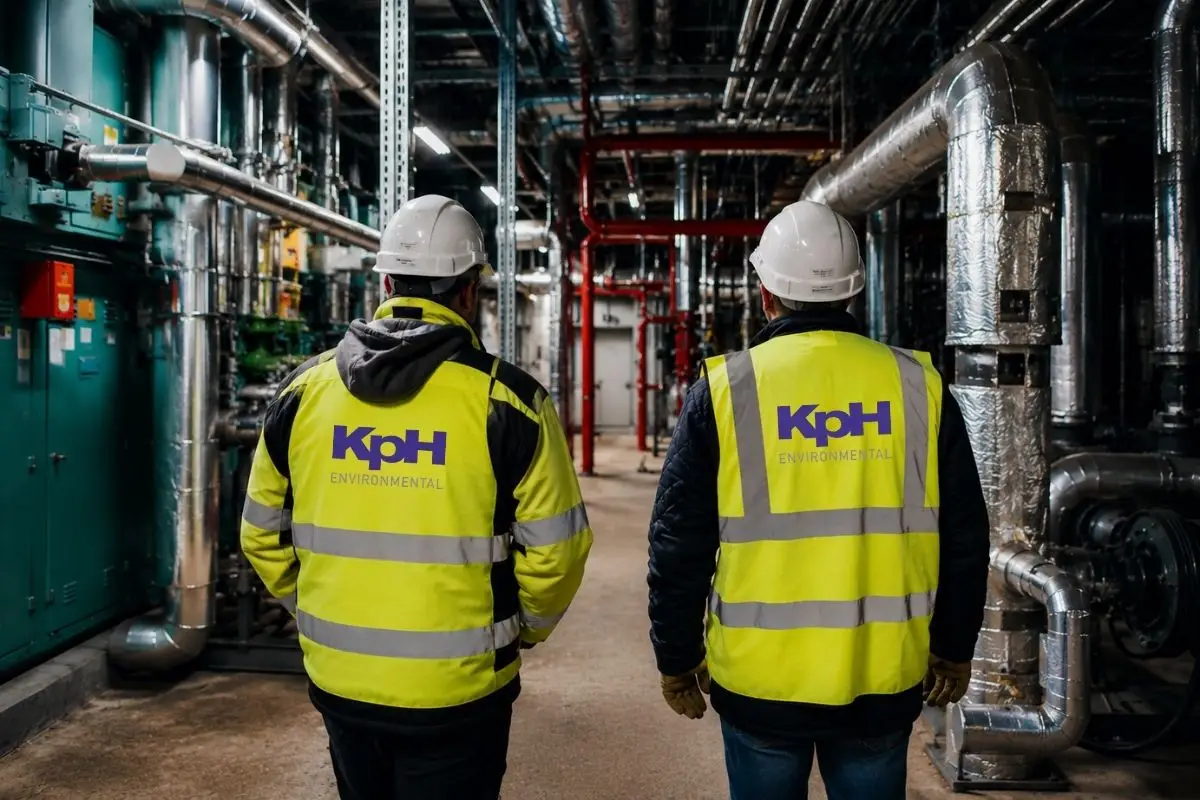
We recently completed the decommissioning and strip-out of 11 plant rooms across a high-security military facility in the South East.
Whilst the scale of the removal works was significant, much of the planning focused on how materials would be removed with the safe use of trap doors and telehandlers. Waste routes needed careful consideration and highly detailed RAMS, access restrictions had to be managed and existing infrastructure needed to be protected throughout the programme.
Projects such as these reinforce a common theme we see across the industry.
The success of a removal project is rarely determined solely by the infrastructure being removed and more often determined by how well the surrounding environment has been understood beforehand.
Fewer Assumptions Means Fewer Surprises
As more organisations invest in upgrading ageing assets, there is increasing value in taking the time to understand the work required and the environment in which works will take place.
Not just the equipment itself, but the access routes, operational requirements, building users and practical constraints that influence delivery.
Because more often than not, the biggest challenges on a project are not found on the drawings.
Planning a strip-out or decommissioning project?
Let's talk through the access, logistics and constraints before the drawings do the talking. Our team works across London and the wider UK.

