


World War II Underground Shelter

Brief Description

Scope of work

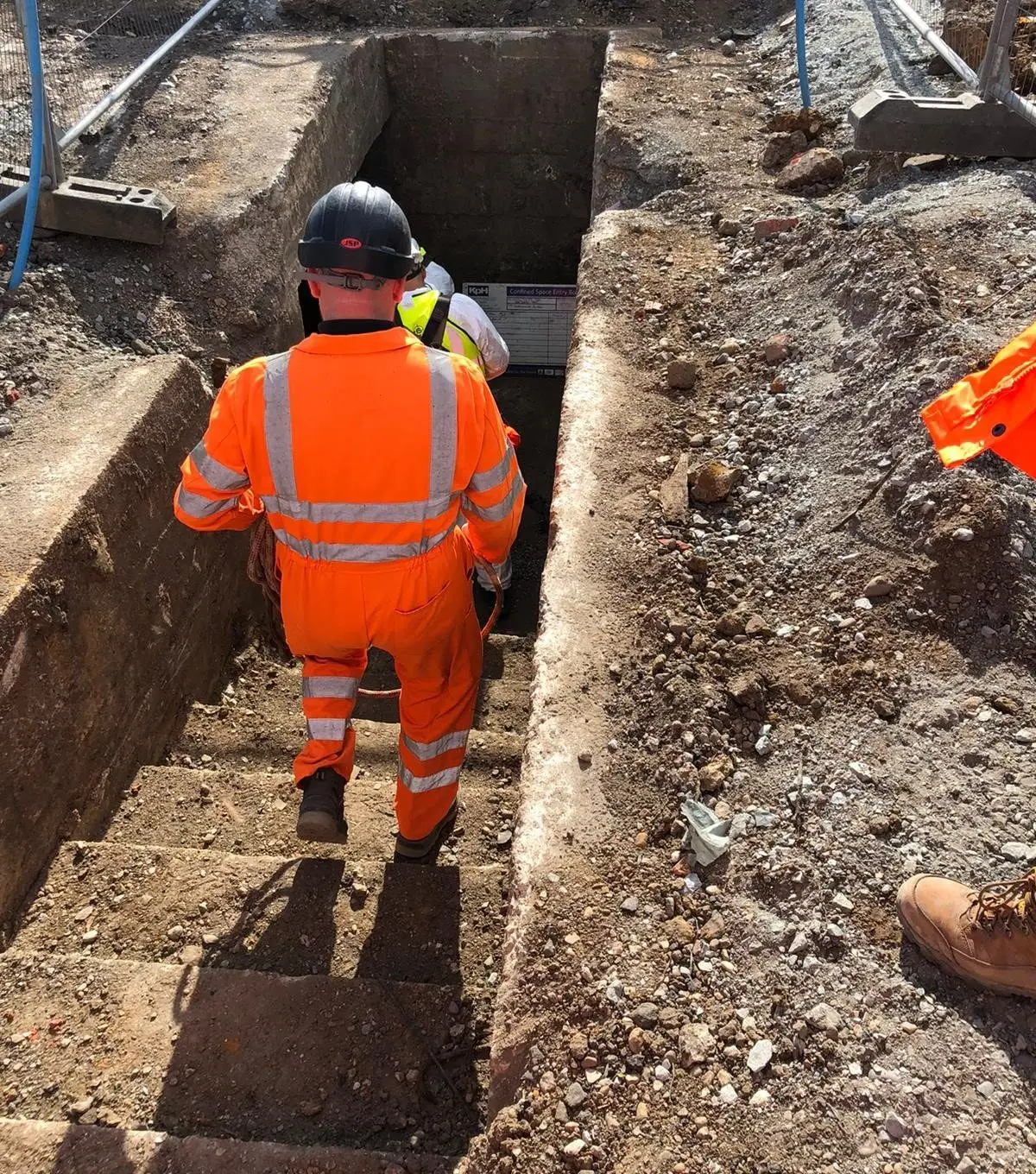
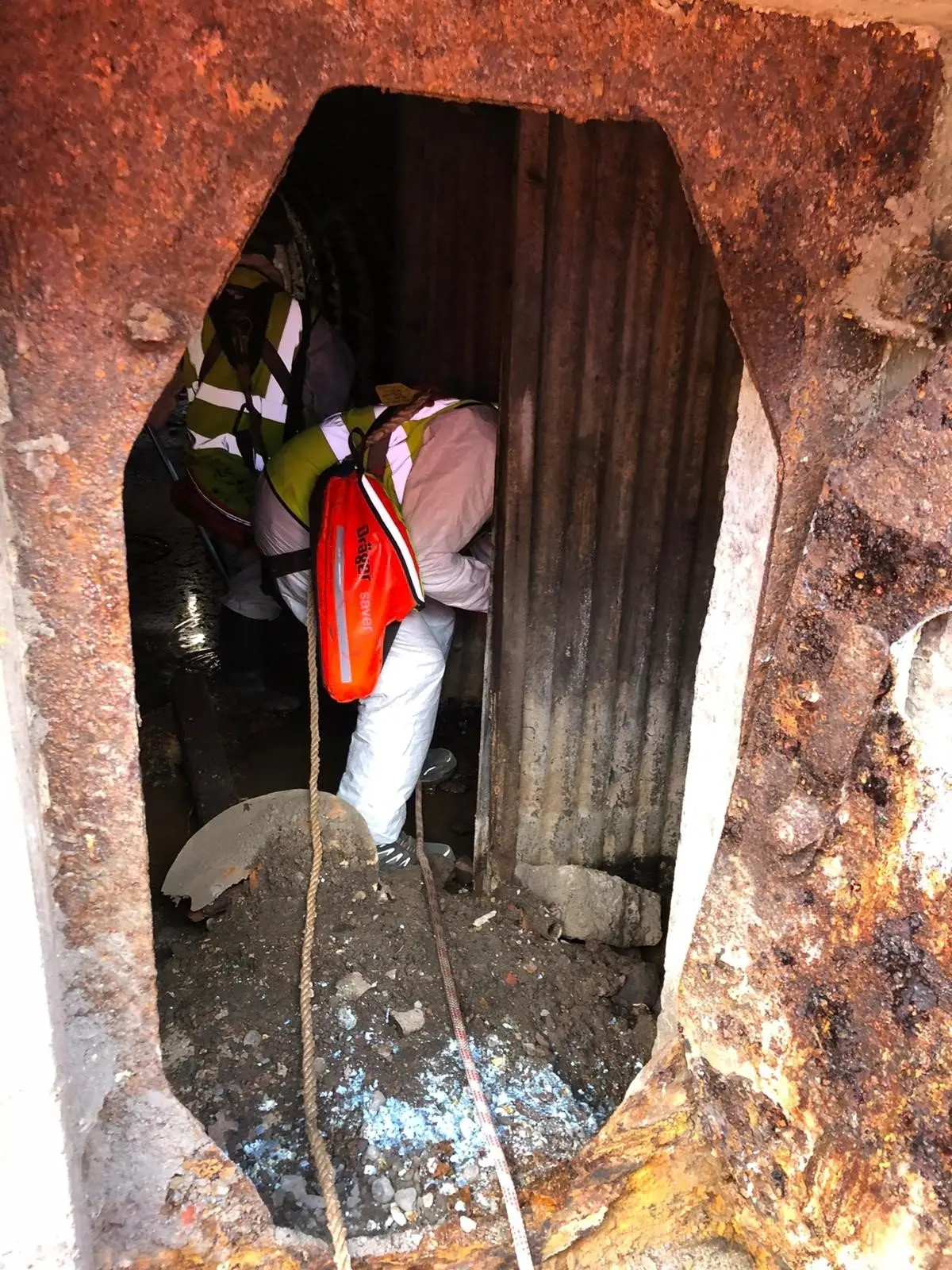
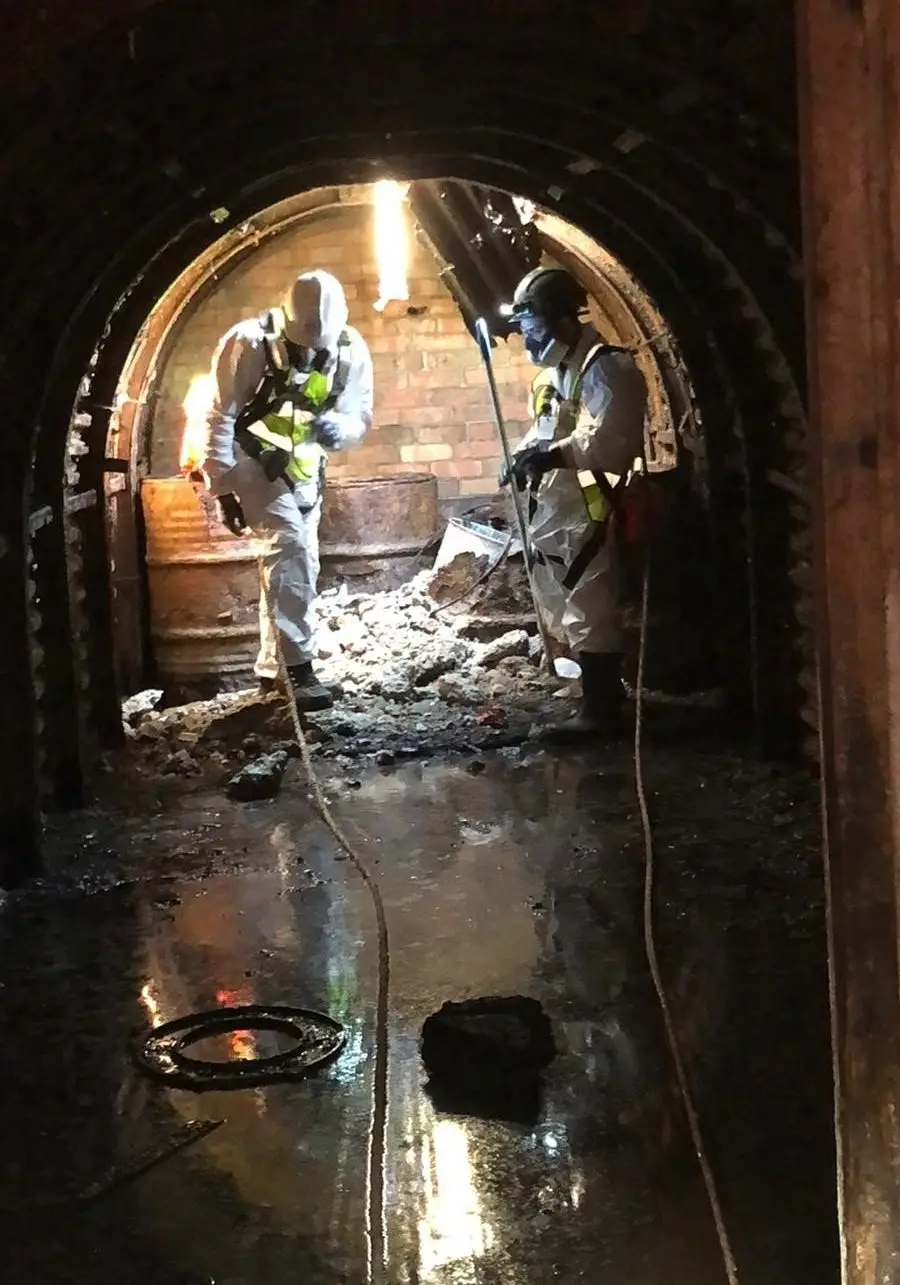
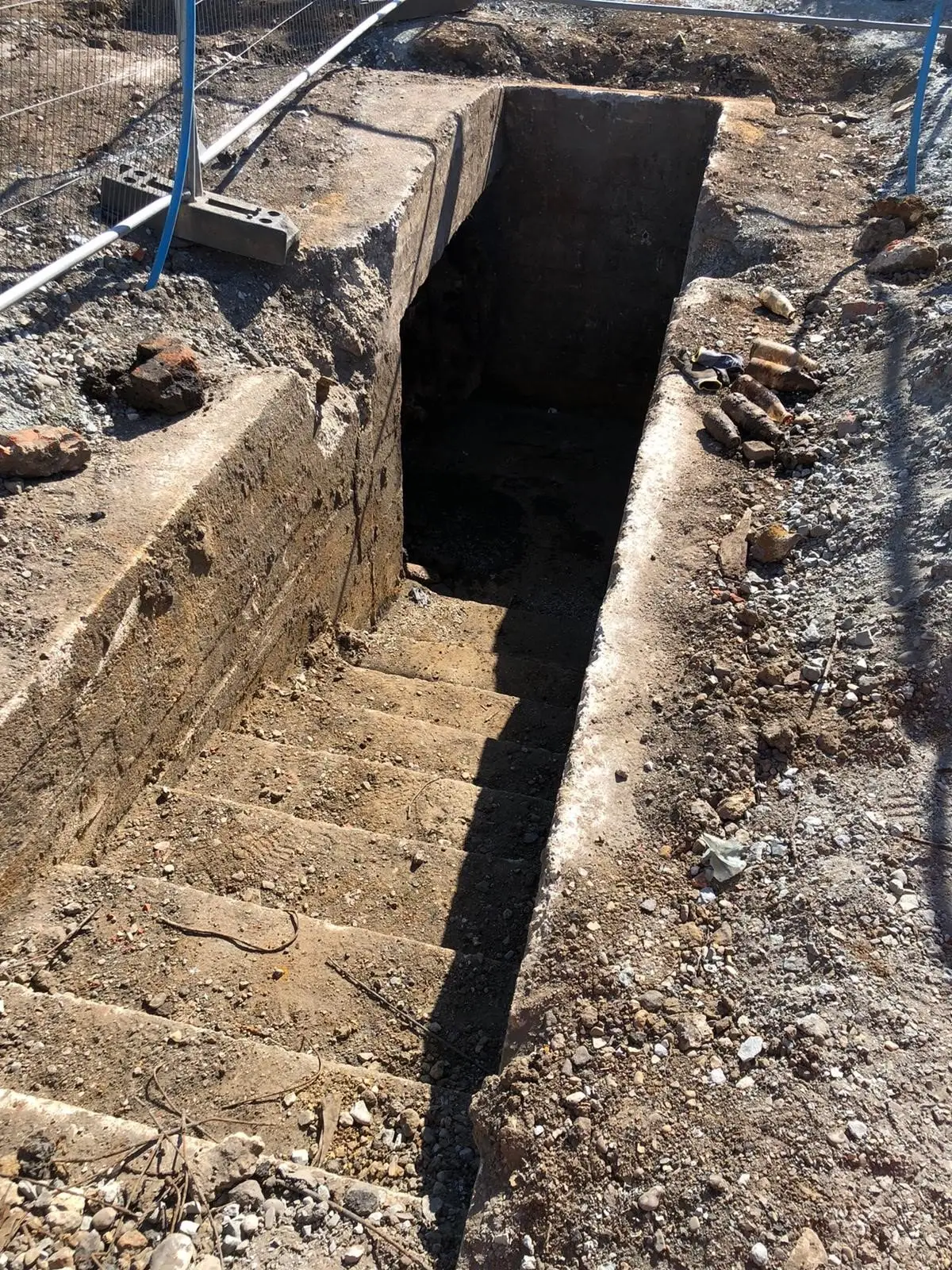
KpH Environmental was appointed by new client ANTS Group to carry out a confined space survey of an underground Second World War bunker, accessed via narrow below-ground entrances and comprising brick-lined tunnels with restricted headroom and standing water in places. The survey was undertaken by trained operatives to safely assess the condition, access constraints and risks associated with the structure while working in confined spaces.

KpH Environmental developed a comprehensive plan to enable a detailed confined space survey of the bunker, supported by project-specific Risk Assessment Method Statement (RAMS) and specialist training for confined space entry to ensure high health and safety standards. Prior to commencing works, the team completed the client’s site induction, which included a briefing on the potential presence of historic ammunition within the underground shelter.

On mobilisation, entry equipment was installed, a confined space entry board set up, and barriers erected around the access point. The client had excavated the entrance in advance to allow safe access for the team working in a confined area.

KpH Environmental’s confined space–trained operatives entered the shelter equipped with specialist escape breathing apparatus and continuous gas monitoring equipment to confirm atmospheric safety. A dedicated topman remained at the entry point, continuously monitoring LEL levels, taking and recording readings at five-minute intervals to ensure working in confined conditions was always carried out under health safety protocols.

Key Challenges

  • Confined space access via narrow, below-ground entrances with limited headroom throughout the bunker tunnels

  • Presence of standing water within sections of the structure, increasing slip, access and environmental risks

  • Potential for hazardous atmospheres, requiring continuous gas monitoring and specialist escape breathing apparatus

  • Historic nature of the site, including the risk of residual Second World War–era ammunition

  • Coordinating safe entry for third-party specialists, including asbestos surveyors and a chemist, within a live confined space environment

  • Maintaining strict health and safety controls and documentation in line with confined space regulations

Outcome:

KpH Environmental successfully completed the confined space survey safely and without incident, delivering a comprehensive assessment of the bunker’s condition and associated risks. The approach and monitoring allowed third-party specialists to undertake asbestos and chemical surveys under controlled conditions, with samples safely obtained for laboratory analysis.

Clear findings were issued to the client, providing ANTS Group with the information required to understand the constraints of the structure and to plan any future investigative  works with confidence, supported by health and safety documentation.

Have something similar in mind? With KpH Environmental, you’ll have skilled confined space team and CPS machine operators to complete the job. Contact us today or visit our environmental bespoke services page.

Clients

SLR Consulting
WS Swift
Colliers
Oakray Limited
Williams Southern Limited Construction
Ayer Associates
SES Water
County Clean Group
Gatwick Airport
Biffa

Working in Partnership with KpH

©2026 KpH Environmental Services Ltd
All rights reserved.

Update cookies preferences